

UV varnish has become an increasingly popular choice for enhancing the appearance and durability of plastic products. As a supplier of UV varnish for plastic, I often encounter questions from customers about how UV varnish might affect the bonding process of plastic materials. In this blog post, I'll delve into the science behind UV varnish and its impact on plastic bonding, providing you with a comprehensive understanding of this complex topic.
Understanding UV Varnish for Plastic
Before we discuss its impact on bonding, let's first understand what UV varnish for plastic is. UV varnish is a liquid coating that is applied to the surface of plastic materials and then cured using ultraviolet (UV) light. This curing process causes the varnish to harden rapidly, creating a protective and aesthetically pleasing layer on the plastic.
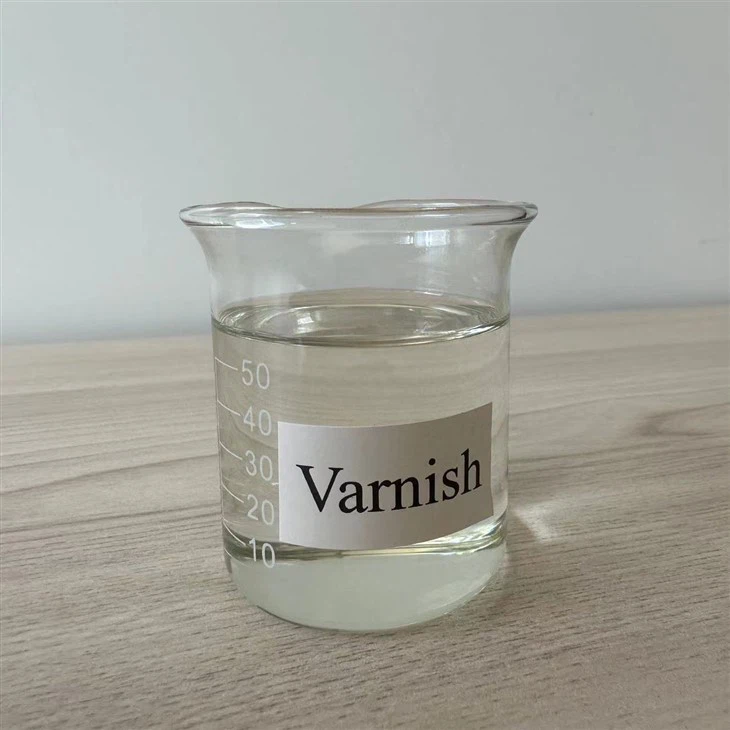

There are different types of UV varnishes available for plastic, each with its own unique properties and applications. For example, Offset UV Varnish is commonly used in offset printing processes, providing a high-gloss finish and excellent scratch resistance. Plastic UV Varnish is specifically formulated to adhere well to various plastic substrates, offering protection against environmental factors such as UV radiation, moisture, and chemicals.
How UV Varnish Affects Plastic Bonding
The question of whether UV varnish makes plastic more difficult to bond is not a straightforward one. It depends on several factors, including the type of plastic, the type of UV varnish used, and the bonding method employed.
Surface Energy and Adhesion
One of the key factors in bonding is surface energy. For a bond to form effectively, the adhesive must be able to wet the surface of the plastic. UV varnishes can alter the surface energy of plastic. Some UV varnishes may reduce the surface energy of the plastic, making it more difficult for adhesives to spread and adhere. This is because a lower surface energy means that the adhesive has a higher contact angle with the surface, resulting in poor wetting and adhesion.
However, not all UV varnishes have a negative impact on surface energy. Some high-quality UV varnishes are formulated to maintain or even increase the surface energy of the plastic, which can actually improve the bonding process. These varnishes often contain additives that enhance the interaction between the adhesive and the plastic surface.
Chemical Compatibility
Another important factor is chemical compatibility. The UV varnish and the adhesive must be chemically compatible for a strong bond to form. If the UV varnish contains chemicals that react with the adhesive, it can lead to a weak bond or even prevent bonding altogether. For example, some UV varnishes may contain solvents or additives that can dissolve or degrade the adhesive, reducing its effectiveness.
On the other hand, there are Paper Plastic Composite UV Adhesive products that are specifically designed to be compatible with UV-varnished plastics. These adhesives are formulated to interact with the varnish layer and the plastic substrate, creating a strong and durable bond.
Surface Roughness
UV varnishes can also affect the surface roughness of the plastic. A smooth surface may provide less mechanical interlocking for the adhesive, which can result in a weaker bond. However, some UV varnishes can create a slightly rough surface, which can increase the surface area available for adhesion and improve the mechanical interlocking between the adhesive and the plastic.
Strategies for Bonding UV-Varnished Plastic
If you need to bond UV-varnished plastic, there are several strategies you can employ to ensure a strong and durable bond:
Surface Preparation
Proper surface preparation is crucial for successful bonding. This may involve cleaning the UV-varnished surface to remove any contaminants, such as dust, grease, or fingerprints. You can use a mild detergent and water or a specialized plastic cleaner. In some cases, sanding the surface lightly can also improve the surface roughness and increase the surface area for adhesion.
Adhesive Selection
Choose an adhesive that is specifically designed for use with UV-varnished plastics. Look for adhesives that have been tested and proven to be compatible with the type of UV varnish and plastic you are using. Consider factors such as the strength of the bond, the curing time, and the environmental conditions in which the bonded product will be used.
Testing
Before proceeding with a large-scale bonding project, it is recommended to conduct small-scale tests to evaluate the bonding strength. This can help you identify any potential issues and make adjustments to the surface preparation or adhesive selection as needed.
Conclusion
In conclusion, whether UV varnish makes plastic more difficult to bond depends on a variety of factors. While some UV varnishes may pose challenges to the bonding process, with the right knowledge and strategies, it is possible to achieve strong and durable bonds on UV-varnished plastic. As a supplier of UV varnish for plastic, I am committed to providing high-quality products and technical support to help you overcome these challenges.
If you are interested in learning more about our UV varnish products or have questions about bonding UV-varnished plastic, I encourage you to contact us for a procurement discussion. Our team of experts is ready to assist you in finding the best solutions for your specific needs.
References
- ASTM International. (20XX). Standard test methods for evaluating the adhesion of coatings to plastics.
- Kinloch, A. J. (1987). Adhesion and adhesives: science and technology. Chapman and Hall.
- Mittal, K. L. (Ed.). (1996). Adhesion measurement of thin films, thick films, and coatings. VSP.


