

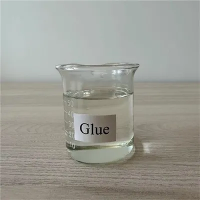
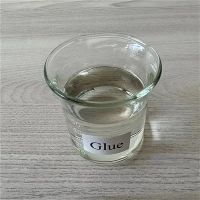
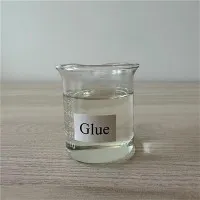
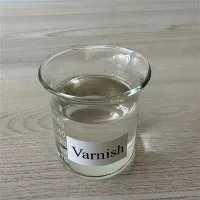
UV Varnish for Plastic
Haining Dishenguo New Material Technology Co., Ltd.. Is an international trade enterprise combined with factory, relying on Jiangnan University of science and technology,which is one of the Chinese photographic .

01
Advanced Equipment
Our company has the equipments which can produce one thousand tons of uv coating, water-based environmental protection coating each year, has advanced product quality testing equipment, perfect production management system, and comprehensive after-sales service.
02
Products Sell Well
Our products mainly exported to India,Vietnam , the Middle East, Russia, Indonesia, Africa, Mexico, and many other countries and regions.Most of our cooperative customers are important local PVC decorative material manufacturers.
03
Wide Range of Applications
Our products is often used in high-end printing, packaging and publishing industries, and can significantly improve the gloss, wear resistance and water resistance of the paper surface.
04
Quick Response
Our commitment is to respond to your inquiries within 24 hours, ensuring that you receive the information and support you require in a timely manner.


Advantages of UV Varnish for Plastic
Gloss
The light emitted and reflected by the surface gives a very elegant and neat glazed effect, giving clarity to the colors. The brightness of the paper achieves an effect that highlights the images and draws attention.
01
Fast dry
The speed of drying after applying the ultraviolet rays allows a more versatile printing for different types of surfaces, in addition to reducing the risk of clogging the nozzle heads.
02
Increased Durability
Surfaces with ultraviolet varnish applications last longer and, therefore, the capital invested in the product is better used.
03
Profitable Technology
UV Varnish has a waste of approximately 2% compared to 40% of conventional solvent-based ink. This means that the investment of UV varnish is more profitable, although in principle a little more expensive.
04
Great Adhesion
UV has a firm adhesion on the surface, whether the material has flexible or rigid characteristics. This fact is due, in large part, to the rapid curing process, compared to other types of technologies that involve more time in drying and with less satisfactory results.
05
Types of UV Varnish for Plastic
Known for its durability, resistance to corrosion, and impact strength, plastisol is also valued for its high dielectric properties, making it ideal for electrical applications.
Latex is a dispersion of tiny polymer particles, with a significant portion consisting of rubber. It serves as a foundational material for producing both natural and synthetic rubber.
Neoprene, created through the polymerization of chloroprene, serves as an alternative to latex. It is recognized for its resistance to chemicals and its flexible properties.
Polyurethane consists of urethane groups connected through carbamate linkages. It is celebrated for its flexibility and exceptional resistance to deformation.
Epoxy is a thermosetting polymer that, once its molecular chains are cross-linked, creates coatings with high strength, and resistance to chemicals and heat.
Tip for Use UV Varnish for Plastic
Clean Surface/s Prior to Application
Make sure the surfaces you will be working on are free of dirt, dust, and other types of debris. If needed, wipe a damp cloth over the surface you will be working on and let it dry before applying the product.
Use Paint Remover or Another Type of Varnish If Needed
This applies more to projects involving a surface that has been previously worked on. Use a paint or solution remover to get rid of previous substances on the surface. Sand the surface to smooth it out and wipe the debris with a damp cloth.
Make Safety a Priority
When working with plastic varnish, wear personal protective equipment like gloves and goggles. The substance can be toxic, especially if inhaled. Make sure to keep the product away from heat and open flame as well to prevent fires and/or other accidents.
Choose the Right Brush
According to industry experts, the ideal type of brush to use for applying varnish would depend on the substances indicated in the product. Natural bristle brushes are recommended for oil-based products. On the other hand, acrylic- or water-based varnishes will work better with synthetic or nylon brushes.
Use Your Brush Properly
Proper handling of a brush can help prevent issues such as brush marks, and "runs" and "dips" that can ruin the appearance of a surface.
Refrain From "Overloading" The Brush
Simply dip the tip of the brush into the product, especially if you are working on the edges of a surface. Do not drag the brush's bristles on the edge of the container to reduce the risk of bubbles.
Stir, Not Shake
When preparing the varnish for application, avoid shaking the can. This can form bubbles that will make the finished surface look less than desirable.
What is the Production Process for Plastic Coatings

Degreasing
Oils and greases on the metal substrate surface can act as contaminants, reducing water resistance and hindering the proper adhesion and application of the plastic coating. These contaminants are typically removed through alkali or acidic washes, or by thermal degreasing.
Stripping
When re-coating parts that have already been coated, it is essential to completely remove the existing layer before applying a new one.
Modification of Substrate Properties
In addition to cleaning the surface, various properties can be added to achieve specific desirable traits. These enhancements may benefit both the dip coating process and the final application of the product.
Phosphating
Phosphating, also known as phosphate conversion, involves applying a thin layer of phosphate before applying the plastic coating. This phosphate layer enhances the substrate's corrosion resistance, particularly in situations where the plastic coating may be damaged.
Shot Peening
Shot peening involves bombarding a surface with spherical particles to induce cold working. This process creates compressive residual stress on the substrate's surface, which helps to strengthen it and alleviate any pre-existing residual stress.
Blasting
Blasting alters the substrate surface by creating tiny cavities, which enhances the surface area available for adhesion of primers, undercoats, and plastic coatings.
De-embrittlement
De-embrittlement is a heat treatment process designed to eliminate hydrogen that has diffused into the metal substrate, reducing the risk of brittle fractures under stress.
Primers
Primers act as a preparatory layer that enhances adhesion between the substrate and the plastic coating. They also provide extra protection to the substrate being coated.
Undercoats
Undercoats are additional layers that impart specific properties to the final product, such as UV and scratch resistance.
Pre-heating the Mold
The mold is heated in an oven to a specific temperature for a set duration. The heating temperature is a key factor in determining the coating thickness of the part. The effectiveness of heat distribution is influenced by the mold's design and the airflow within the oven.
Dipping the Mold
The heated mold is either partially or fully dipped into the liquid polymer, allowing the polymer to adhere to its surface. The outer dimensions of the mold define the internal shape of the part.
Draining Excess Polymer
Any excess liquid polymer is allowed to drain off the mold's surface. To achieve a thicker coating, multiple dipping cycles may be used, or a specialized coating may be applied.
Curing the Coating
The coating is cured in an oven to set the polymer more thoroughly and completely evaporate the excess moisture, solvents, and additives.
Cooling the Coating
The cured coating is cooled either by immersing the mold in a water tank with temperatures ranging from 122 to 1112°F (50 to 600°C) or by using forced or natural air convection.
Unloading and Demolding the Product
Once the coating is cured, the finished parts are taken out of the frame. For dip molding operations, the plastic-coated part is separated from the mold either manually or using mechanical methods. This process yields a finished plastic component or part.
