

PVC Adhesives
Wide Range of High-Quality Adhesives


| Product Details | |
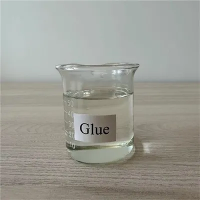
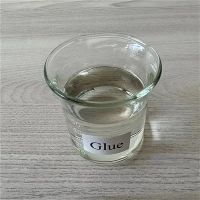
| Product Name | pvc glue for wood |
| Color | Translucent |
| Viscosity | Medium Bodied |
| Max VOC | <600g/L |
| Shelf Life | Two Years |
| Max Pipe Size | 10"(250mm) |
| Package | 946ml/473ml/237ml/118ml |
| Standard | ASTM D-2564 |

About Dishengnuo
Haining Dishengnuo New Material Technology Co., Ltd has production equipment with an annual output of 1,000 tons of PVC Adhesives and water-based environmentally friendly coatings. It has advanced product quality testing equipment, a complete production management system and perfect after-sales service to ensure that the products are in a leading position in the industry and have good product stability.
PVC Adhesives Shipping Methods

Advantages of PVC Adhesives
Appearance
PVC glue will dry completely clear. Once cured, you will be able to paint or sand over the glue spot, leaving little to no residue.
01
Durability
PVC glue creates a strong, permanent bond that is resistant to chemicals, corrosion, and temperature fluctuations.
02
Cost-Effective
Compared to other bonding methods, PVC glue is cost-effective and provides a reliable solution for a variety of applications.
03
Ease of Use
Applying PVC glue is straightforward, requiring minimal tools and expertise. Properly prepared surfaces can be bonded quickly and efficiently.
04
Fast Setting Time
PVC glue has a relatively fast setting time, allowing for quick installation and reduced downtime.
05
Types of PVC Adhesives
PVC Primer and Cement
Primer acts as a cleaner, preparing the pipe by softening it's surface and removing any glaze that may be present. PVC cement is often referred to as "glue," but it works in a very different way. This substance actually breaks down and chemically bonds two PVC parts together. In effect, PVC cement makes two PVC parts inseparable. PVC primer and cement are easy to apply and will set in minutes!
Joint Compound and Thread Tape
The main advantage of threaded ends is that they can be unscrewed and re-screwed. A stronger yet messier option is joint compound, also called pipe dope. Joint compound is a liquid solution that fills up any gaps in threads to totally prevent leakage. It never fully dries, so the joint can be unscrewed at any time.
PVC Cement
This cement is made for PVC piping that falls under 40 and 80 schedules. When applied to the piping, the surface softens and will create a permanent joint or bond that can't be separated unless cut. Applications include drains and plumbing pipes, cable insulation amongst others.
Transition Cement
Transition or general-purpose cement can be used to bond different PVC piping. The different pipes are joined without creating an intense chemical reaction that does not produce toxic fumes.
CPVC Cement
Offering higher performance than the cheaper PVC, CPVC cement will also need to offer more for it to be effective, due to the temperature variations.
What Methods Are Used For Bamboo Fiberboard Adhesives

Bookbinding
There are a lot of ways to adhere paper and covers together, and industrial melt is a great choice because of its quick drying speed and flexibility.
Woodworking
Industrial glue, like PUR, has a bond strength of over 1,000 lbs once cured. It also adheres well to both porous and non-porous materials, making it easy to bond laminate, wood, particle board, foam, medium-density fibreboard, and fabric.
Building and Construction
The same properties that make melt popular for woodworking also make it great for building and construction projects. Adhering carpet and flooring are typical applications for melt glue. Using melt prevents surfaces from curling or buckling after drying, and improves the aesthetic of new flooring by eliminating staples and nails.
Food Carton Packaging and Sealing
Typically, melt glue is used for closing large and small cartons and wrap-around cases, incredibly strong adhesion.
Frozen Food Packaging
The Adhesive can able to withstand a lot of wear and tear, is usually filled, transported, displayed, then crammed into the freezer once purchased. To ensure the food is not damaged or spoiled, frozen food packaging needs a strong adhesive, and melt is just the glue for the job!
Sealing Envelopes, Bags, and Cardboard
The strong bond created by adhesive is perfectly suited for holding paper, cardboard, and other cellulose materials. Whether the application is manual or a melt dispensing system is used, glue provides a long-lasting, flexible hold, making it the perfect choice for bonding paper surfaces.
Applying Labels
Industrial glue is used to quickly bond paper backed film to plastic. The quick drying speed and easy application process make hot glue suitable for quickly applying labels cost-effectively.
Transportation
In the transportation section, hot glue is used to mount trim, bond small joints, and adhere laminate surfaces and other various components. Hot melt tends to have a high-temperature resistance as well, making it perfect for use in automobiles that have to sit in the heat during the hot summer months.
Leather and Footwear
Industrial hot glue is used to apply many components standard in the shoe manufacturing process.
Textile Manufacturing
Industrial hot melt is used frequently in both the creation and end production of synthetic fabrics. Hot glue is often used in polymer processing and textile converting in cars, home furnishing, carpeting, and other textile manufacturing applications.

The Dos and Don'ts of Working with PVC Glue
Pick the Right Cement
Before buying cement or primer, read the labels to ensure they're designed for PVC. Cement for CPVC (chlorinated polyvinyl chloride) pipe will not work.
Dry Fit First
Don't jump right in and start gluing! First, check to make sure that when all the pipes and fitting are connected, they fit together correctly. Also, use this time to ensure you have the correct lengths of pipe.
Follow Safety Warnings
When using PVC primer and cement, avoid eye and skin contact. Use safety goggles (ones with side shields are best) and protective gloves. Gluing PVC pipe is messy, so lay a towel or tarp over your work surface. Work in a well-ventilated area, as the solvent can release harmful toxins.
Remove Jagged Edges
If you're cutting PVC pipe with a PVC pipe cutter, smooth, cut or sand burrs off the edges of the cut surface. These burrs, if left attached, can compromise the seal and cause clogs by catching debris flowing through the pipes.
Work Quickly
After priming a pipe and fitting, you only have about a 10-second window in which to apply the cement. Then, insert the pipe into the fitting right away. You'll need to reapply it if it starts drying before you're ready.
Twist for a Secure Fit
As you insert the primed and cemented pipe into the fitting, twist it a quarter of the way around to allow the glue to spread. This will result in a tighter fit.