

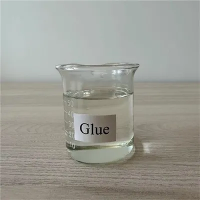
PVC Great Wall Board Adhesives
Haining Dishenguo New Material Technology Co., Ltd.. Is an international trade enterprise combined with factory, relying on Jiangnan University of science and technology,which is one of the Chinese photographic .

01
Advanced Equipment
Our company has the equipments which can produce one thousand tons of uv coating, water-based environmental protection coating each year, has advanced product quality testing equipment, perfect production management system, and comprehensive after-sales service.
02
Products Sell Well
Our products mainly exported to India,Vietnam , the Middle East, Russia, Indonesia, Africa, Mexico, and many other countries and regions.Most of our cooperative customers are important local PVC decorative material manufacturers.
03
Wide Range of Applications
Our products is often used in high-end printing, packaging and publishing industries, and can significantly improve the gloss, wear resistance and water resistance of the paper surface.
04
Quick Response
Our commitment is to respond to your inquiries within 24 hours, ensuring that you receive the information and support you require in a timely manner.


Advantages of PVC Great Wall Board Adhesives
Fast Drying Time
Thanks to its fast drying properties, it saves a lot of time on projects requiring delicate and fine workmanship. For small joints, especially when compression is difficult, super glue allows projects to move quickly.
Compatibility With Various Materials
In addition to working perfectly with wood, superglue is also compatible with many different types of materials such as metal, ceramics, plastics and more.
Repairs and Filling
Super glue is extremely effective not only for joining, but also for repairing cracks or holes in wood. This method not only seals the damaged area, but also offers an aesthetic solution. Once the surface is smooth and even, the repaired area is almost unnoticeable.
Easy Applicability and Flexibility
Super glues are easy and flexible to use. Thanks to the different application methods, you can apply the adhesive precisely wherever you need it. Fine-tipped bottles make it easier to work in tight spaces, while brush or spray form adhesives allow application on larger surfaces.
Durability and Longevity
When used on wood projects, they create a bond that resists damage caused by water and moisture over time. These adhesives are also resistant to temperature fluctuations and various chemicals, making them ideal for items that are frequently washed and cleaned, such as kitchenware.
Aesthetically Appropriate
Super glues can be used without compromising the aesthetics of your project. Their transparent drying formula means that joining points are unobtrusive, which makes them especially great for decorative items and woodwork that requires fine craftsmanship.
Types of PVC Great Wall Board Adhesives

PVA Glue
Polyvinyl acetate (PVA) wood glue is perfect for basic woodworking projects. It's inexpensive, non-toxic, readily available, cleans up with water, has a modest tack (allowing you to reposition workpieces during assembly), and, once cured, is very strong.
Specialty Wood Glue
It is instrumental in complex operations such as curved railings and other assemblies that require more time to align. It is not intended for exterior use or where there is moisture.
CA Glue
Cyanoacrylate (CA) glue is excellent for minor repairs, mainly when carving or turning. This wood glue dries quickly and forms a stiff, plastic-like bond. The liquid form of this wood glue can often run, but this wood glue is also available as a gel that stays in place better.
Epoxy
Epoxy comes in two parts: a resin and a hardener. Both are liquid, but a chemical reaction causes the epoxy to harden when mixed. Epoxy has the advantage of being waterproof and does a good job filling gaps in wood.
Polyurethane
This type of glue cures in water, requiring you to wet the two mating surfaces before applying. It bonds well to wood and other materials, including plastic, metal, fabric, etc. As it cures, this glue tends to expand.
Hide Glue
Yes, this glue comes from animal hides. Hot hide glue is made by heating granules of hide glue in a pot with water. As it heats, the glue liquefies, and as it cools, it becomes solid. The biggest reason for hide glue's popularity is its reversibility. If you apply heat to the joint, the glue will loosen.
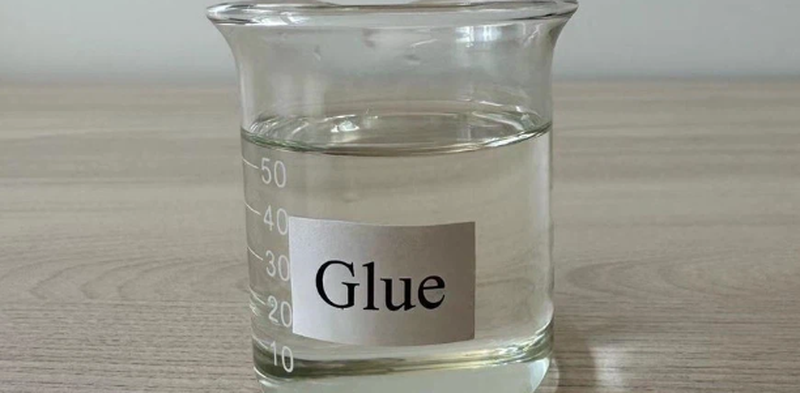
Applications of PVC Great Wall Board Adhesives
Woodworking
Wood adhesives are extensively used in woodworking projects, such as making furniture, cabinets, doors, and frames. They allow for the assembly of different wood pieces, creating seamless joints and ensuring structural integrity.
Construction
In the construction industry, wood adhesives are employed to bond wooden elements, such as beams, trusses, and panels. They contribute to the stability and strength of wooden structures.
Engineered Wood Products
Wood adhesives play a crucial role in the manufacturing of engineered wood products like plywood, particleboard, and medium-density fiberboard (MDF). These products are composed of wood particles or layers bonded together to form strong and uniform panels.
Flooring
Wood adhesives are used to install wooden flooring, ensuring a secure bond between the flooring material and the subfloor.
Veneering and Laminating
Wood adhesives are essential in veneering and laminating applications, where thin layers of wood or decorative materials are bonded to a substrate to achieve attractive and functional surfaces.
Joinery and Carpentry
Wood adhesives are widely employed in joinery and carpentry to assemble wood components, such as dowels, biscuits, and mortise and tenon joints, ensuring a tight and stable fit.
Crafts and Hobbies
Wood adhesives are commonly used in various crafts and hobbies involving wood, such as model making, DIY projects, and woodworking artistry.
Tips for Using Wood Adhesives PVC Great Wall Board Adhesives
When different wood species are used, it is important that all woods have the same moisture content. Storing all the wood together in the same warm, dry location before beginning the project will help all the wood reach the same moisture content.
The strength of end grain joints can be improved if the "open" end grain is first sized. A sizing mixture may be made by mixing one part to two parts water to one part glue. Place the sizing mixture on the end grain. Let it soak in for no more than two minutes, and then continue with a regular application of glue.
To decrease the clamp time in a vacuum press, put a thick piece of wood into the vacuum bag to help absorb the moisture from the glue. This technique is best utilized when laminating many thin veneers together because the water in the glue saturates the veneers.
When working with woods that are high in tannic acid or are considered oily, wiping the joints with acetone before gluing them up ensures a good bond. Acetone clears the contaminants from the wood's pores on the bonding surface and dries quickly without leaving any residue. A good bonding surface can also be achieved by sanding or planing the wood just before gluing the joints.
When re-using a cartridge, you may find that the adhesive remaining in the tip may take a little longer to soften. Allow the adhesive applicator to heat for an extra 5 -7 minutes after the green light is displayed.
While clamping would not be necessary for many projects, it may be desirable. Clamping will produce a thinner, more aesthetically pleasing glue line. If the substrates being bonded have a lot of memory, pressing or clamping the pieces will help to keep them flat while the adhesive is curing, ensuring a better bond.