

Bamboo Fiberboard Adhesives
Haining Dishenguo New Material Technology Co., Ltd.. Is an international trade enterprise combined with factory, relying on Jiangnan University of science and technology,which is one of the Chinese photographic .

01
Advanced Equipment
Our company has the equipments which can produce one thousand tons of uv coating, water-based environmental protection coating each year, has advanced product quality testing equipment, perfect production management system, and comprehensive after-sales service.
02
Products Sell Well
Our products mainly exported to India,Vietnam , the Middle East, Russia, Indonesia, Africa, Mexico, and many other countries and regions.Most of our cooperative customers are important local PVC decorative material manufacturers.
03
Wide Range of Applications
Our products is often used in high-end printing, packaging and publishing industries, and can significantly improve the gloss, wear resistance and water resistance of the paper surface.
04
Quick Response
Our commitment is to respond to your inquiries within 24 hours, ensuring that you receive the information and support you require in a timely manner.


Advantages of Bamboo Fiberboard Adhesives
Superior Performance
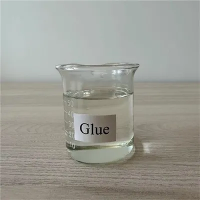
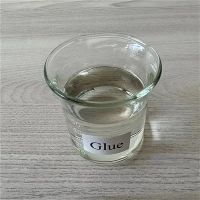
Compared with traditional oil-based structural adhesive, the drying speed is increased by 50%, the positioning of the board and the wall is fast, the bonding strength is high, no triphenyl, no peculiar smell, no formaldehyde release, environmental protection Non-toxic, non-corrosive, with good shrinkage resistance.
Safely
If the glue accidentally sticks to clothes or skin during construction, it does not need any solvent. It can be washed with clean water without harming the skin and clothes.
Cost Saving
After the glue gun and nozzle are used, they can be used repeatedly after soaking in water. There is no need to clean the glue gun and glue nozzle, which increases the number of uses and saves labor costs and glue gun costs.
Types of Bamboo Fiberboard Adhesives
Silicone Adhesives
Silicone adhesives are single-component, translucent paste-like adhesives that cure at room temperature to form high-performance elastomers. They exhibit excellent resistance to extreme temperatures, aging, and electrical insulation properties, and provide good adhesion to most metals and non-metal materials.
Polyurethane Adhesives
Single-component adhesives cure with moisture and are easy to apply but cure slowly. Two-component adhesives cure quickly and offer superior performance but require preparation before use, making the process more complex.
Acrylic Resin
Acrylic resin is a colorless or slightly yellow solid known for its excellent transparency and gloss. It has good weather resistance, chemical stability, and corrosion resistance, as well as good adhesion and wear resistance.
Hot Melt Adhesives
Hot melt adhesives can be classified into EVA hot melt adhesives, polyamide hot melt adhesives, polyester hot melt adhesives, and polyolefin hot melt adhesives, depending on the raw materials.
Epoxy Adhesives
Epoxy adhesives are engineering adhesives made from epoxy resin base materials, curing agents, diluents, accelerators, and fillers. Due to their excellent adhesion, functional properties, affordability.
What Methods Are Used For Bamboo Fiberboard Adhesives

Flash Method
Some adhesives require a period of time to set or "flash" before the bamboo flooring can be glued down. This is because the adhesive needs to rest briefly before reaching full strength and can be ready for bamboo flooring. To do this, simply use the appropriate trowel to spread out a large portion of adhesive. By covering a larger area, you can go back to the spot where you started and prepare to glue down your bamboo floor planks.
Wet Lay Method
Wet lay is a more immediate method of how to glue down bamboo floors. When you use the wet lay technique, you apply a much smaller area of adhesive and lay down the planks right away, without waiting for the glue to flash. Instead of laying enough adhesive to work for two hours, you should not lay more than you can cover in 45 minutes.

Project Planning For Gluing Bamboo Floors
Before you get started, do the math! Make sure you have enough flooring and adhesive, all the tools, and know the direction you'll be going as well as any difficult areas or angles you'll need to address. If you're gluing down bamboo flooring around door jambs or other unique areas, cut all of those pieces before you lay down adhesive. This will prevent you from having to take a long time away from gluing to cut difficult pieces, and it will keep you from accidentally getting a sticky mess on other parts of the floor or on your tools.
Bamboo Floor Adhesive Cleanup
To make cleanup easier, duct tape the bottom of your trowel, leaving just the teeth exposed. At the end of gluing for the day or before you take a break, scrape the trowel and wipe off the teeth. The next day that you're gluing, you can simply peel off the duct tape from last time and begin with a clean trowel.
Using a Roller
You may be able to help adhesion of the planks to the subfloor by using a roller on planks that have been installed. While the adhesive is still moist, roll a 100-pound roller along the section you just completed. You can also walk across the planks using your bodyweight.
Protect Yourself
Floor adhesives can stick to skin or cause a reaction. Glue can also dry your skin and cause irritation and discomfort.