

Hey there! As a supplier of decorative UV varnish, I often get asked about the drying time of our product. It's a crucial factor, especially for those in the printing, woodworking, and crafting industries. So, let's dive right in and explore what affects the drying time of decorative UV varnish and how you can optimize it for your projects.
What is Decorative UV Varnish?
Before we talk about drying time, let's quickly go over what decorative UV varnish is. Decorative UV varnish is a type of coating that, when exposed to ultraviolet (UV) light, cures rapidly to form a hard, protective, and often glossy finish. It's used on a variety of surfaces, including paper, cardboard, wood, and plastic, to enhance their appearance and durability. You can learn more about our UV Coating Varnish and UV Clear Coating on our website.
Factors Affecting Drying Time
The drying time of decorative UV varnish isn't set in stone. It can vary based on several factors:
1. UV Light Intensity
The most significant factor is the intensity of the UV light source. Higher intensity UV lamps will cure the varnish faster. For example, a high - powered industrial UV lamp can dry the varnish in a matter of seconds, while a lower - intensity lamp might take a bit longer. When using our Clear UV Varnish, make sure you're using a UV light source that's appropriate for the job.
2. Varnish Thickness
The thickness of the varnish layer also plays a role. A thicker layer of varnish will naturally take longer to dry than a thin one. If you're looking for a quick - drying solution, try applying a thinner coat. However, keep in mind that a very thin coat might not provide the same level of protection or gloss as a thicker one.
3. Substrate Material
The type of material you're applying the varnish to can affect drying time. Porous materials like wood may absorb some of the varnish, which can slow down the drying process. Non - porous materials like plastic or glass generally allow for faster drying because the varnish stays on the surface.
4. Varnish Formulation
Different formulations of decorative UV varnish have different drying characteristics. Some are designed for quick drying, while others may offer better durability or a higher gloss finish at the expense of a slightly longer drying time. Our team can help you choose the right formulation based on your specific needs.
Typical Drying Times
Under ideal conditions (high - intensity UV light, appropriate varnish thickness, and a suitable substrate), our decorative UV varnish can dry in as little as 1 - 5 seconds. However, in a more typical industrial or workshop setting, it might take anywhere from 5 - 30 seconds.
If you're using a lower - intensity UV light or applying a thicker coat, the drying time could extend to a few minutes. It's always a good idea to do a test run on a small area to determine the exact drying time for your specific setup.
Optimizing Drying Time
If you're looking to speed up the drying process, here are some tips:
1. Use a High - Intensity UV Light
Invest in a good quality, high - intensity UV lamp. This will not only reduce drying time but also ensure a more thorough cure of the varnish.
2. Apply a Thin Coat
As mentioned earlier, a thin coat of varnish will dry faster. You can always apply multiple thin coats if you need a thicker finish.
3. Pre - treat the Substrate
For porous materials, consider pre - treating the substrate to reduce its absorbency. This can help the varnish dry more quickly.
4. Control the Environment
Keep the working environment at a consistent temperature and humidity. Extreme temperatures or high humidity can affect the drying process.
Importance of Proper Drying
Proper drying is crucial for the performance of the decorative UV varnish. If the varnish doesn't dry completely, it may remain sticky or soft, which can lead to smudging, scratching, or a poor overall finish. On the other hand, over - curing the varnish by exposing it to too much UV light can cause it to become brittle and crack over time.
Conclusion
The drying time of decorative UV varnish depends on several factors, including UV light intensity, varnish thickness, substrate material, and varnish formulation. By understanding these factors and following the optimization tips, you can achieve the best results for your projects.
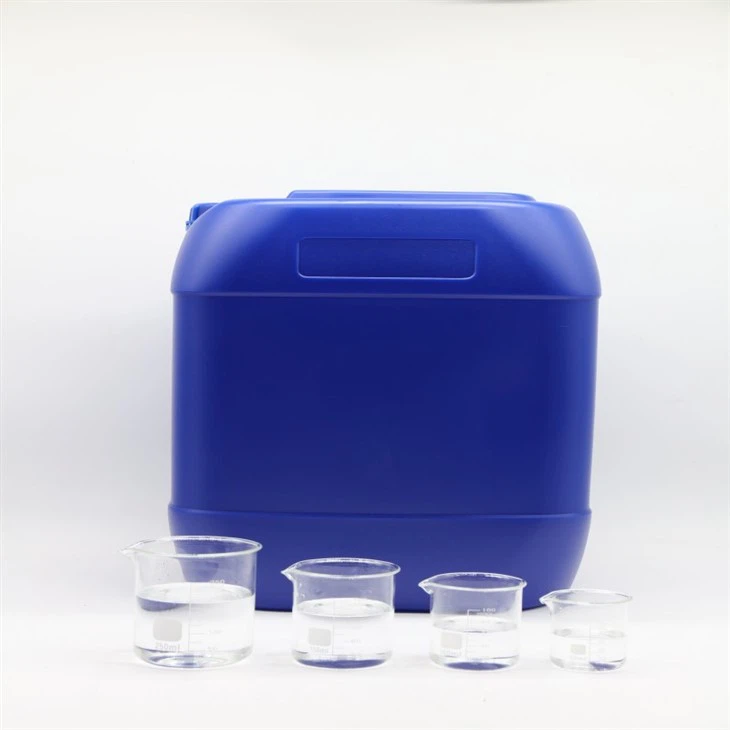

If you're interested in learning more about our decorative UV varnish or have any questions about drying times, feel free to reach out to us. We're here to help you choose the right product and ensure that your projects turn out perfectly. Whether you're a small - scale crafter or a large - scale industrial manufacturer, we have the solutions you need.
References
- “UV Curing Technology: Principles and Applications” by XYZ Publishing
- “Coating Materials for Decorative Purposes” by ABC Research Group


