Hey there! As a supplier of decorative uv varnish, I've got a ton of insights to share about how this stuff reacts to chemicals. You know, decorative uv varnish is super popular these days because it gives a really cool finish to all sorts of products, like furniture, art pieces, and even some high - end packaging.
First off, let's talk about what decorative uv varnish is. It's a type of coating that hardens really quickly when exposed to ultraviolet light. This makes it a great choice for manufacturers who want to speed up their production process. We offer different types of it, like Clear UV Varnish, UV Coating Varnish, and UV Clear Coating. Each one has its own unique properties, but they all share the same basic characteristic of reacting to UV light.

Now, let's dive into how it reacts to chemicals. One of the most common chemicals it might come across is water. Generally, well - formulated decorative uv varnish has good water resistance. When it comes in contact with water, it won't immediately break down or dissolve. But if it's exposed to water for a long time, especially in high - humidity conditions, there could be some minor issues. For example, the surface might start to get a bit hazy. This is because water can seep into the microscopic pores of the varnish over time, causing a change in its optical properties.
Acids are another story. Different acids can have different effects on decorative uv varnish. Weak acids, like acetic acid (which is found in vinegar), usually won't cause too much damage if the exposure is short - term. However, if the varnish is constantly in contact with acetic acid, it can start to etch the surface. The acid can react with the polymers in the varnish, breaking down the chemical bonds and causing the varnish to lose its smooth finish.
On the other hand, strong acids, such as sulfuric acid or hydrochloric acid, are extremely harmful to decorative uv varnish. Even a small amount of these acids can cause the varnish to bubble, peel, or completely dissolve. These acids are so reactive that they can quickly break apart the complex chemical structure of the varnish.
Bases also have an impact. Mild bases, like baking soda solution, might not cause significant damage right away. But over time, they can start to wear down the varnish. Strong bases, like sodium hydroxide, are much more aggressive. They can react with the varnish to form soapy substances in some cases, and this will definitely ruin the appearance and integrity of the coating.
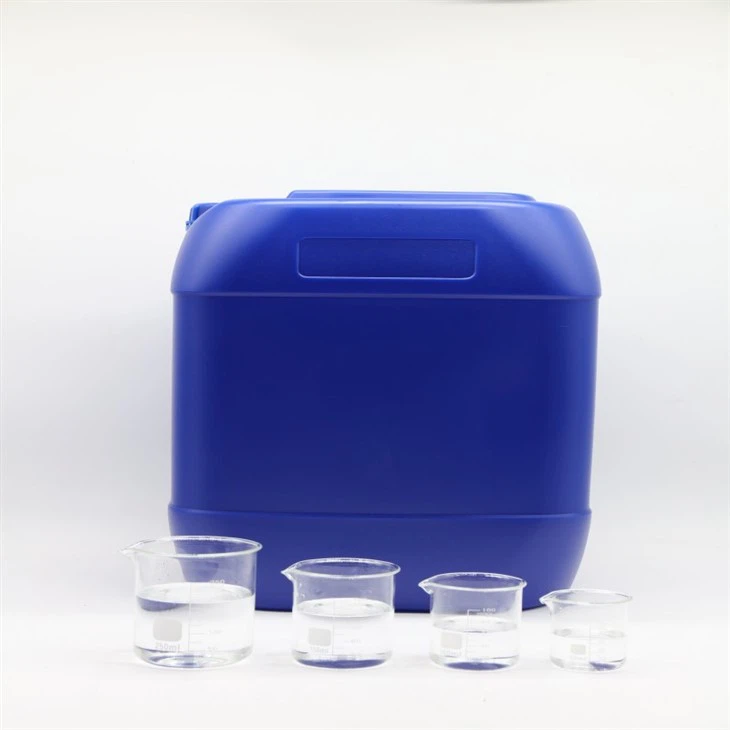
Solvents are a big deal when it comes to decorative uv varnish. Some common solvents like acetone are very powerful. Acetone can quickly dissolve the varnish because it can break the intermolecular forces that hold the varnish together. This is why you need to be really careful when using any cleaning products that contain acetone on surfaces coated with decorative uv varnish. Other solvents, like alcohol, have a more moderate effect. Depending on the type of alcohol and the concentration, it might cause some swelling or softening of the varnish, but it usually won't dissolve it completely.
Now, let's talk about how we can test these reactions. At our company, we run a bunch of tests to make sure our decorative uv varnish can withstand different chemical environments. We use small samples of the varnish and expose them to various chemicals under controlled conditions. We measure things like changes in color, hardness, and adhesion. This way, we can provide our customers with detailed information about how our products will perform in different situations.
When it comes to protecting the decorative uv varnish from chemical damage, there are a few things you can do. First, avoid using harsh chemicals on the coated surfaces. If you need to clean them, use mild, non - abrasive cleaners. Also, try to keep the coated items in a stable environment. High humidity, extreme temperatures, and direct sunlight can all affect the varnish's performance over time.
In the industrial setting, proper storage of the decorative uv varnish is crucial. It should be kept in a cool, dry place away from any sources of chemicals. This helps to maintain its quality and ensures that it will react as expected when applied.

We're always working on improving our products. We're researching new formulations that can offer even better chemical resistance. For example, we're looking into adding certain additives that can make the varnish more resistant to acids and solvents. This will not only make our products more durable but also open up new applications in industries where chemical exposure is more common.
If you're in the market for decorative uv varnish, you should definitely consider the chemical resistance of the product. Whether you're a furniture maker, an artist, or a packaging designer, you want a varnish that can stand up to the conditions it will face. And that's where we come in. Our Clear UV Varnish, UV Coating Varnish, and UV Clear Coating are all carefully formulated to offer a good balance of aesthetics and chemical resistance.
So, if you're interested in learning more about our decorative uv varnish or want to discuss your specific needs, don't hesitate to reach out. We're here to help you find the perfect solution for your projects. Whether you need a small amount for a DIY project or a large - scale supply for an industrial application, we've got you covered. Contact us today to start the conversation about how our decorative uv varnish can work for you.
References
- "Coating Technology Handbook" by CRC Press
- "The Chemistry of Organic Coatings" by John Wiley & Sons